


Recommended products
 commercial shower room flooring
 badminton court mat cost
 academy gymnastics mat
 commercial bamboo flooring
 20mm gym floor mats
 residential indoor pickleball court





-
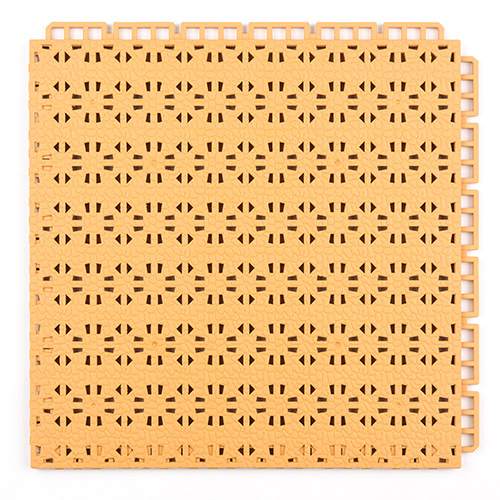
Comprehensive Guidelines for Selecting the Right Flooring for Table Tennis Facilities and Leagues
Table Tennis Flooring Specifications An Essential Guide Table tennis, often referred to as ping pong, is a sport that requires precision, agility, and the right environment to optimize performance. One of the most critical components that influence the game's dynamics is the flooring. Choosing the right flooring for table tennis not only enhances player comfort but also affects ball bounce, speed, -
Choosing the Right Flooring Options for Indoor Basketball Courts
Indoor Basketball Flooring Options A Comprehensive Guide When it comes to setting up an indoor basketball court, one of the most crucial decisions involves choosing the right flooring. The type of flooring can significantly affect player performance, safety, and the overall look of the court. With various options available on the market today, understanding each type’s advantages and disadvantages -

Campo sportivo multifunzionale per diverse attività ricreative e agonistiche
Pista Sportiva Multifunzionale Un Spazio per Tutti La creazione di piste sportive multifunzionali sta diventando sempre più popolare nelle comunità contemporanee, rappresentando un’ottima soluzione per promuovere l’attività fisica e il socializzare tra le persone di tutte le età. Queste strutture, progettate per ospitare diversi sport e attività ricreative, offrono numerosi vantaggi sia a livello
Join Our Newsletter
We Strive To Provide Customers With Quality Products.Request Information,Sample & Quate,Contact Us !

about us

the shed indoor pickleball
Pickleball has become a popular indoor sport due to its accessibility, minimal equipment requirements, and suitability for players of all ages. Whether you're setting up an indoor pickleball court for recreational use or building a professional facility, understanding court sizes, features, and costs is essential. This guide covers everything you need to know about indoor pickleball , including court specifications and installation costs. What is Indoor Pickleball? Indoor pickleball is played on a court with the same dimensions as outdoor pickleball but typically features smoother surfaces, lower ceilings, and climate-controlled environments. Indoor play is ideal for year-round enjoyment, unaffected by weather conditions. Key Features of Indoor Pickleball : Court Surface : Smooth and non-abrasive surfaces like wood, rubber, or synthetic sports flooring. Lighting : Even, non-glaring indoor lighting for optimal visibility. Space Requirements : Extra room around the court for player movement. Sound Dampening : Acoustic treatments to reduce noise levels from paddle and ball impacts. Indoor Pickleball Court Size An indoor pickleball court follows the same dimensions as outdoor courts, but you’ll need additional space to ensure player comfort and safety. Official Court Dimensions : Court Area : 20 feet wide by 44 feet long. Non-Volley Zone (Kitchen) : 7 feet from the net on both sides. Net Height : 36 inches at the sidelines and 34 inches at the center. Recommended Space for Indoor Courts : Playing Area : 30 feet wide by 60 feet long (to allow for player movement). Optimal Clearance : Ceiling Height : Minimum of 18 feet, ideally 20–22 feet for high-level play. Side and End Space : At least 10 feet of clearance around the court. Surface Options for Indoor Pickleball Courts Choosing the right surface for an indoor court is critical for performance, durability, and player comfort. Common indoor pickleball court surfaces include: 1. Hardwood Flooring Pros : Excellent ball bounce, classic appearance, used in gyms and multi-sport facilities. Cons : Higher maintenance, can be slippery without proper treatment. 2. Synthetic Sports Flooring Pros : Durable, shock-absorbent, customizable in color and texture. Cons : Moderate cost compared to other surfaces. 3. Rubberized Flooring Pros : Soft on joints, excellent for multi-sport use. Cons : Lower ball bounce compared to hardwood or synthetic surfaces. 4. Modular Tiles Pros : Easy to install and replace, slip-resistant, available in various colors. Cons : Less premium feel than hardwood or synthetic surfaces. Cost of Indoor Pickleball Court The cost of an indoor pickleball court varies based on factors like location, surface material, and additional features like lighting and fencing. 1. Construction Costs : Standard Indoor Court (Single) : Hardwood Flooring : $25,000–$40,000. Synthetic Flooring : $20,000–$35,000. Rubberized Flooring : $15,000–$25,000. Modular Tiles : $10,000–$20,000. Multi-Court Facilities : Costs increase proportionally with additional courts and larger spaces. 2. Additional Costs : Lighting Installation : $3,000–$6,000 per court for LED lighting. Acoustic Panels : $2,000–$5,000 for sound dampening. Net and Posts : $500–$1,500 for regulation nets and adjustable posts. Paint and Markings : $300–$1,000 depending on the court size and design. 3. Maintenance Costs : Annual Maintenance : $1,000–$5,000 for resurfacing, cleaning, and repairs. Lighting Maintenance : LED lights last longer but may require occasional replacement. Indoor Pickleball Court Setup Options Depending on your budget and goals, you can choose from several approaches to setting up an indoor pickleball court: 1. Converting Existing Spaces Examples : Converting a gym, tennis court, or unused warehouse. Cost : $5,000–$20,000 depending on modifications (e.g., flooring, markings, lighting). 2. Building a New Facility Description : Constructing a dedicated indoor pickleball facility. Cost : $50,000–$250,000+ depending on the number of courts and building specifications. 3. Portable Indoor Courts Description : Temporary setups using portable nets and court markings. Cost : $1,500–$5,000 for portable equipment. Benefits of Indoor Pickleball Courts Weather Independence : Play year-round without concerns about rain, wind, or extreme temperatures. Player Comfort : Controlled lighting, temperature, and flooring improve the playing experience. Versatility : Indoor courts can double as spaces for other sports or events. Reduced Maintenance : Indoor courts face less wear and tear compared to outdoor options. Finding a Supplier for Indoor Pickleball Courts When sourcing an indoor pickleball court, look for suppliers or contractors specializing in sports facilities. Key considerations include: Experience : Choose a provider with a track record in sports court installation. Customization : Ensure they offer tailored solutions for surfaces, colors, and additional features. Certifications : Verify compliance with ASTM standards and sports regulations. Warranty : Look for warranties on surfaces and installations. References : Ask for case studies or testimonials from previous clients. Setting up an indoor pickleball court involves careful planning and investment, but the benefits of weather-proof play and enhanced player comfort make it worthwhile. By understanding the court size , choosing the right surface material , and budgeting for installation costs, you can create a premium indoor pickleball experience. Whether converting an existing space or building a custom facility, the right setup will serve players and enhance the growing pickleball community.